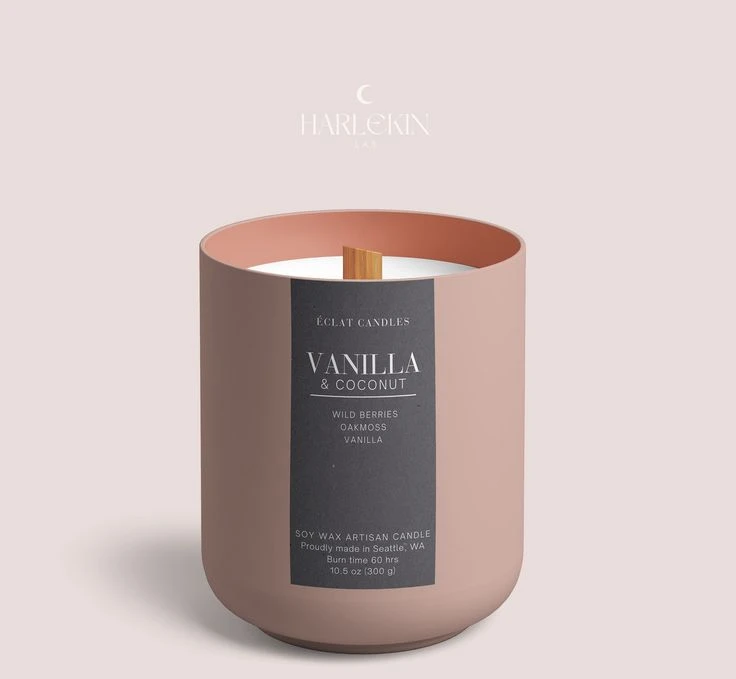
Candle labels are an important part of any candle product. They give the first visual identity to the jar or box. People often notice the label before they notice anything else. A simple and clear label helps a candle feel more complete. It also helps a customer understand the scent, name, and brand style. Many small candle makers focus on label design to improve the product's look. A good label does not need to be complex. It should stay clean and easy to read. The right design can make a small product look more professional. It also helps a brand stay memorable in the market. Candle Labels also guide customers when they choose between different products.
Brand Identity
A strong brand always starts with a clear look. Candle makers try to show their style through simple design choices. A clean label can tell a lot about the brand. It can feel soft, bold, or natural depending on the design. Good labels also help customers trust the product more. Many small businesses test different styles before final choice. In this process, custom candle labels help create a unique identity. These labels allow small changes in color, shape, and text. Even a small detail can change the full appearance of the candle. A balanced design always feels more professional.
Material Choices
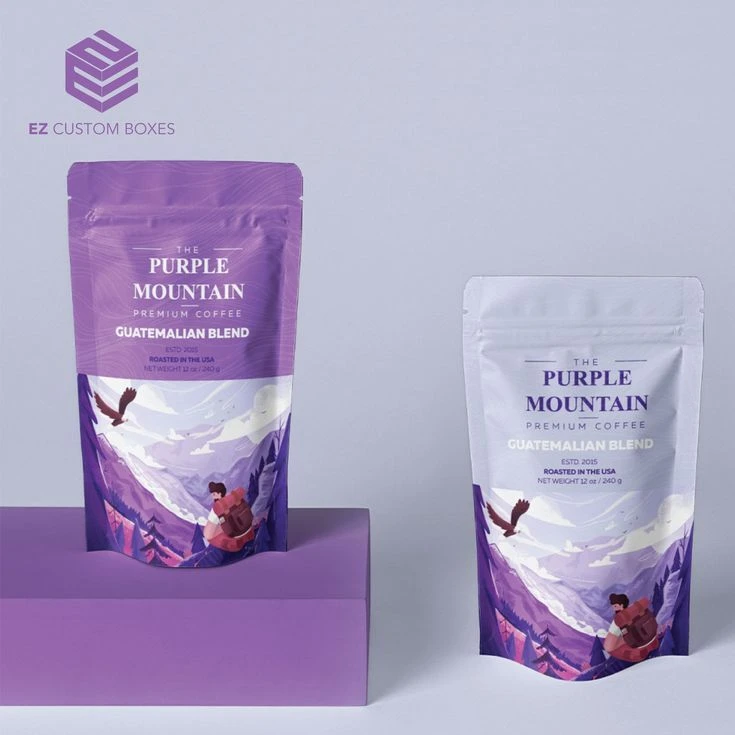
The feel of a label depends on the material used. Some labels feel smooth while others feel textured. This choice can change how a candle is seen on a shelf. Strong materials also help the label last longer on glass jars. Many makers try paper, vinyl, or coated stock for better results. In this step, custom labels for candles give more control over texture and finish. The right material also stops damage from heat or moisture. A good surface keeps the design clear for a longer time. Simple material choices often give the best result.
Color Planning
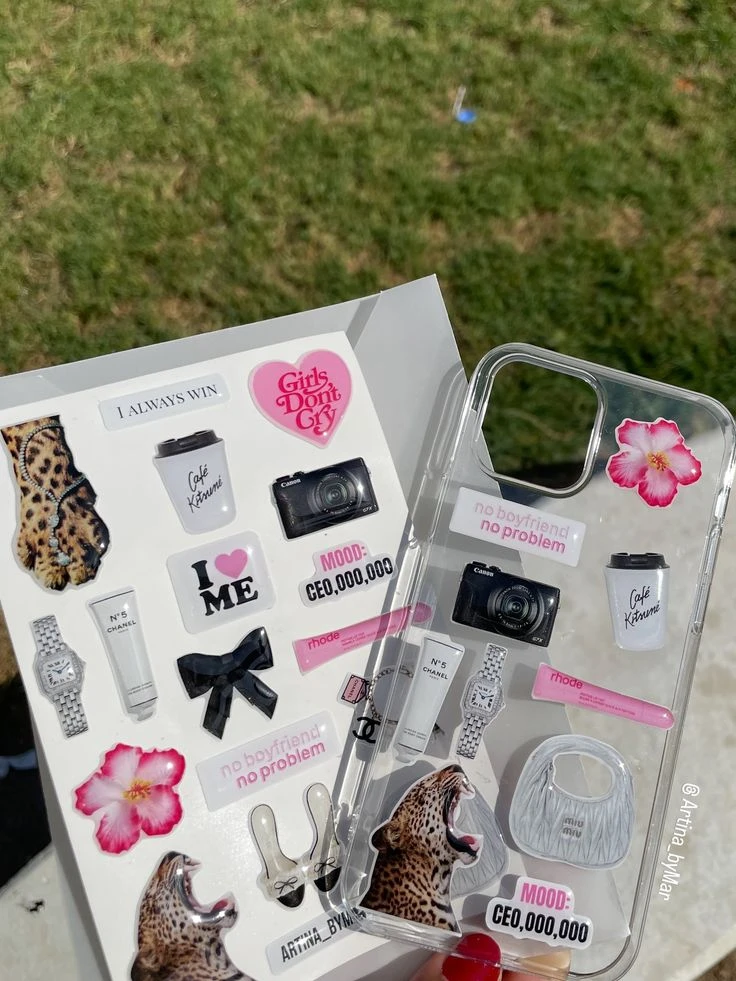
Color plays a big role in how a candle is viewed. Soft colors often feel calm and natural. Bright colors can make the product stand out. Many brands choose colors based on scent or mood. A clear color plan helps keep the design balanced. It also avoids confusion in product lines. In this section, custom candle stickers can match different color themes easily. Stickers also allow quick design changes for seasonal products. A good color mix always supports the brand message. Simple color use often creates a stronger visual impact.
Label Shape Design
Shape is another key part of label design. Round, square, or oval shapes all create different feelings. The shape should match the candle jar style. A balanced shape helps the label sit well on the surface. Some brands use custom shapes for a unique look. This can make the product more noticeable on shelves. In this process, a custom printed candle label helps control shape and print together. A well-shaped label also avoids folding or peeling. Simple shapes often look cleaner and neater in real use.
Printing Quality
Print quality affects how sharp the final design looks. A clear print helps the text stay readable. It also makes the brand look more professional. Poor printing can reduce the value of a good design. Many makers test samples before final production. In this step, candle label printing becomes very important for consistency. Good printing keeps colors stable and lines clear. It also supports long-term use without fading. A clean print always improves customer trust. Simple designs often work best with high-quality printing methods.
Batch Ordering
Small brands often grow into larger production over time. This creates the need for bulk label orders. Ordering in large numbers can reduce the cost per piece. It also helps keep design consistent across all products. Many suppliers offer flexible batch sizes for small businesses. In this case, custom candle labels wholesale options help manage cost and supply. Bulk orders also save time in production planning. A steady supply of labels keeps the business running smoothly. Simple planning helps avoid delays in packaging work.
Surface Finish Detail
The surface finish of a label can change its final look. Some finishes feel glossy while others feel matte. A soft finish often looks more natural. A shiny finish can feel more modern and bright. The finish should match the candle style. It also affects how light reflects on the jar. A good finish helps protect the print from small scratches. It also improves the feel when touched. Simple finishes often work better for handmade products. The right choice makes the label more stable in daily use.
Application Process Guide
Applying a label needs care and patience. A clean surface is very important before placement. Dust or oil can affect stickiness. Many makers use simple tools to align labels correctly. A straight label gives a neat final look. Slow placement helps avoid air bubbles. Pressure should be even on all sides. A good application improves the product presentation. It also helps the label last longer on the jar. Simple steps always lead to better results in real use.
Storage Handling
Labels must be stored in a safe place before use. Heat or moisture can damage their quality. A dry room helps keep them in good shape. Rolls or sheets should stay flat to avoid bending. Careful storage keeps print quality stable for a long time. It also prevents glue from losing strength. Small businesses often organize labels in boxes for safety. Proper handling reduces waste during production. Simple storage habits help maintain label quality for every batch.
Conclusion
Candle labels are an important part of any candle product. They give the first visual identity to the jar or box. People often notice the label before they notice anything else. A simple and clear label helps a candle feel more complete. It also helps a customer understand the scent, name, and brand style. Many small candle makers focus on label design to improve the product's look. A good label does not need to be complex. It should stay clean and easy to read. The right design can make a small product look more professional. It also helps a brand stay memorable in the market. Candle Labels also guide customers when they choose between different products.