
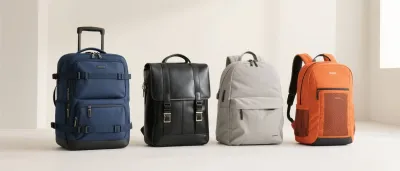
Introduction to Leading Backpack Manufacturers
In today's global market, a backpack manufacturer plays a pivotal role in defining quality, durability, and design in the bag industry. From school and travel backpacks to high-performance hiking and tactical backpacks, manufacturers are the backbone of the supply chain, providing businesses and retailers with innovative solutions.
Understanding the processes, materials, different types of backpacks, and standards employed by top-tier manufacturers can ensure the selection of reliable suppliers capable of delivering products that meet both market trends and customer expectations.
Types of Backpacks Produced by Manufacturers
Backpack manufacturers specialize in a wide range of backpack categories, each tailored to specific uses and customer demographics:
- School and College Backpacks – Designed for daily use, these backpacks emphasize ergonomic design, padded straps, and compartmentalized storage to accommodate books, laptops, and stationery.
- Travel and Luggage Backpacks – Featuring water-resistant materials, secure zippers, and spacious compartments, these backpacks are tailored for travelers seeking comfort and convenience.
- Outdoor and Hiking Backpacks – Built with durable fabrics, reinforced stitching, and adjustable suspension systems, these backpacks support long-term outdoor activities and extreme weather conditions.
- Tactical and Military Backpacks – Manufactured using heavy-duty nylon, MOLLE webbing, and multiple compartments, these backpacks meet the stringent requirements of military and tactical operations.
- Fashion and Designer Backpacks – Combining premium materials, stylish aesthetics, and branded finishes, these backpacks cater to fashion-conscious consumers looking for statement pieces.
Materials and Fabric Technology
A key differentiator among backpack manufacturers is the quality of materials used. Leading manufacturers employ a variety of high-grade fabrics such as:
- Cordura Nylon – Known for its superior abrasion and tear resistance, ideal for outdoor and tactical backpacks.
- Polyester Fabric – Lightweight and cost-effective, used in school and fashion backpacks.
- Ripstop Fabric – Engineered to prevent tearing, suitable for rugged backpacks.
- Leather and PU Leather – Offers luxurious finishes for premium fashion backpacks.
- Eco-Friendly Materials – Manufacturers increasingly adopt recycled PET fabrics and biodegradable polymers, catering to environmentally conscious consumers.
Furthermore, advanced fabric treatments such as water-repellent coatings, UV resistance, and anti-microbial finishes enhance durability and usability in varied conditions.
Design and Innovation in Backpack Manufacturing
Modern backpack manufacturing goes beyond basic utility. Innovative manufacturers focus on:
- Ergonomic Design – Shoulder straps, back panels, and weight distribution systems reduce strain during prolonged use.
- Smart Compartments – Integrated pockets for laptops, tablets, power banks, and water bottles optimize organization.
- Security Features – Anti-theft zippers, RFID-blocking pockets, and lockable compartments increase safety.
- Custom Branding Options – Logo printing, embroidery, and unique color schemes allow brands to differentiate in a competitive market.
- Modular Systems – Especially in tactical and outdoor backpacks, detachable pouches and modular compartments increase versatility.
Manufacturing Process Overview
Backpack production involves a combination of precision engineering, skilled labor, and automated technology:
- Material Selection and Cutting – High-quality fabrics are cut using CNC machines or laser cutters to ensure precision and minimal wastage.
- Stitching and Assembly – Advanced sewing machines handle reinforced stitching, double seams, and bar tacks to enhance strength.
- Hardware Installation – Zippers, buckles, and strap adjusters are carefully fitted and tested for longevity.
- Quality Inspection – Each backpack undergoes rigorous inspection, including stress tests, water resistance tests, and material integrity checks.
- Packaging and Logistics – Finished products are packaged according to international standards, ensuring safe transport and presentation.
Customization and OEM/ODM Services
Leading backpack manufacturers offer OEM (Original Equipment Manufacturer) and ODM (Original Design Manufacturer) services, allowing businesses to:
- Develop custom designs and styles unique to their brand.
- Choose from a wide range of materials, colors, and hardware.
- Access bulk production capabilities while maintaining high-quality standards.
- Ensure fast turnaround times and scalability for seasonal or promotional demands.
Global Market Trends in Backpack Manufacturing
The backpack industry is evolving rapidly, driven by consumer demands for functionality, sustainability, and aesthetic appeal. Key trends influencing manufacturers include:
- Eco-Conscious Production – Brands increasingly prefer recycled fabrics and biodegradable components.
- Smart Backpacks – Integration of USB charging ports, solar panels, and smart tracking devices is gaining popularity.
- Minimalist Designs – Sleek, functional designs without excess bulk appeal to urban commuters and professionals.
- Durability and Longevity – Customers now prioritize backpacks with extended warranties and high wear-resistance, pushing manufacturers to adopt superior materials and craftsmanship.
Choosing the Right Backpack Manufacturer
Selecting a reliable manufacturer is crucial for business success. Important factors to consider include:
- Experience and Reputation – Years of industry experience and verified client testimonials.
- Compliance and Certifications – ISO standards, CPSIA, REACH compliance, and other quality certifications ensure product safety and credibility.
- Production Capacity – Ability to handle bulk orders without compromising quality.
- Design Capabilities – Access to in-house designers and prototyping facilities for innovation.
- Customer Service – Efficient communication, timely updates, and post-production support streamline the business partnership.
Cost Factors and Pricing Models
Pricing in backpack manufacturing is influenced by:
- Material Costs – Premium fabrics, hardware, and eco-friendly treatments.
- Production Complexity – Multi-compartment designs, reinforced stitching, and custom features.
- Order Volume – Bulk orders often benefit from economies of scale, reducing per-unit costs.
- Shipping and Logistics – International manufacturers factor in shipping costs, customs, and packaging.
- Branding Services – Embroidery, printing, and custom labeling can affect pricing.
Transparent communication with manufacturers ensures accurate quotations and avoids hidden costs during the production of vel clothing.
Quality Assurance and Testing Standards
Top manufacturers adhere to stringent quality assurance protocols, including:
- Load Testing – Verifying the weight-bearing capacity of straps and zippers.
- Abrasion Resistance Testing – Ensuring fabric durability under repeated friction.
- Water-Resistance Testing – Confirming protection against rain and accidental spills.
- Colorfastness Tests – Preventing color bleeding or fading over time.
- Ergonomic Assessment – Ensuring backpacks are comfortable for diverse user profiles.
These tests guarantee that every product leaving the factory meets international quality standards.
Conclusion
A professional backpack manufacturer is more than a supplier; they are a strategic partner in creating high-quality, market-ready products. By combining advanced materials, innovative design, rigorous quality control, and custom solutions, manufacturers empower brands to deliver backpacks that resonate with consumers globally. For businesses seeking reliable, scalable, and innovative solutions, selecting a manufacturer with proven expertise and a commitment to excellence ensures long-term success in a competitive marketplace.
The right manufacturer enables brands to stand out with durable, stylish, and functional backpacks, meeting the evolving needs of students, travelers, professionals, and outdoor enthusiasts worldwide.