In an era where first impressions are often made through a camera lens or a quick social media scroll, the "perfect smile" has transitioned from a luxury to a standard of self-confidence. For residents of coastal North Carolina, achieving that aesthetic doesn't always require months of orthodontic work or the high price tag of porcelain veneers. Cosmetic bonding in Shallotte has emerged as the premier "lunch-break makeover," offering immediate results for those looking to correct imperfections efficiently.
As we move through 2026, the demand for minimally invasive dentistry is at an all-time high. Recent industry data indicates that the U.S. cosmetic dentistry market is projected to reach nearly $20 billion by the end of this year, with composite bonding being one of the fastest-growing segments. This surge is driven by a collective desire for treatments that preserve natural tooth structure while delivering high-impact visual changes.
What is Cosmetic Bonding?
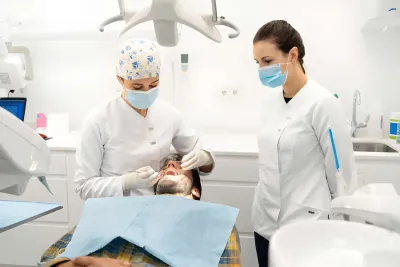
Cosmetic bonding, also known as composite bonding, involves the application of a tooth-colored resin material to the surface of the teeth. Unlike veneers, which are fabricated in a lab and require the removal of significant enamel, bonding is a chairside procedure. A Shallotte dentist carefully sculpts the resin to mask chips, close gaps (diastemas), or change the color of a tooth, then hardens the material using a specialized high-intensity light.
The Statistics Behind the Smile
The popularity of this procedure isn't just anecdotal. Statistics from recent dental health surveys highlight why so many patients are choosing this route for smile correction:
High Satisfaction: According to 2025 clinical reports, patients report an 88.1% satisfaction rate regarding the color and aesthetic value of composite restorations.
Speed of Treatment: Approximately 17% of Americans have undergone at least one cosmetic dental procedure, with bonding being favored because it can typically be completed in a single 30- to 60-minute visit per tooth.
Accessibility: While porcelain veneers can cost upwards of $2,500 per tooth, cosmetic bonding remains a cost-effective alternative, often costing 60% to 80% less than lab-fabricated options.
Market Growth: The "single-sitting" dental trend is growing at a compound annual growth rate (CAGR) of over 13%, as patients increasingly prioritize efficiency without sacrificing quality.
Why Choose Cosmetic Bonding in Shallotte?
Choosing a local Shallotte dentist for your bonding procedure offers more than just convenience. In a close-knit community, dental care is personalized. Whether you’ve spent a weekend at Ocean Isle Beach and noticed a small chip after an accident, or you’ve lived with a gap between your front teeth for years, bonding provides a versatile solution tailored to the coastal lifestyle.
1. Instant Gratification
One of the most significant advantages of cosmetic bonding in Shallotte is the timeline. Many cosmetic procedures require multiple appointments, temporary fittings, and weeks of waiting. Bonding is performed in real-time. You walk into the office with a concern and walk out with a transformed smile in under an hour.
2. Preservation of Natural Enamel
In modern dentistry, "conservative" is the gold standard. Traditional veneers require the removal of roughly 0.5mm to 1mm of tooth enamel—a process that is irreversible. Bonding requires little to no enamel removal. This preserves the structural integrity of your natural teeth, making it an ideal choice for younger patients or those who aren't ready for a permanent commitment to veneers.
3. Painless Application
For many, the "dentist's chair" evokes anxiety. However, cosmetic bonding is one of the least invasive procedures available. Because there is minimal drilling involved, anesthesia is rarely necessary unless the bonding is being used to fill a cavity.
Common Issues Solved by Smile Correction
Bonding is the "Swiss Army Knife" of cosmetic dentistry. It is frequently used to address:
Chipped or Cracked Teeth: Small accidents happen. Bonding seamlessly recreates the lost portion of the tooth.
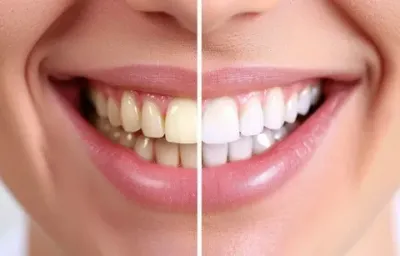
Discoloration: Some stains are internal and won't respond to traditional whitening. A thin layer of resin can mask these "intrinsic" stains.
Gaps and Spaces: Closing a small gap between the front teeth can dramatically change the symmetry of the face.
Uneven Tooth Length: If one tooth is shorter than the rest, bonding can "extend" it to match the surrounding teeth.
Pro Tip: To maintain the longevity of your bonding (which typically lasts 5 to 10 years), avoid biting directly into hard foods like ice, hard candy, or raw carrots with the bonded teeth.
The Procedure: What to Expect
If you are considering a smile correction via bonding, here is the typical step-by-step process at a local clinic:
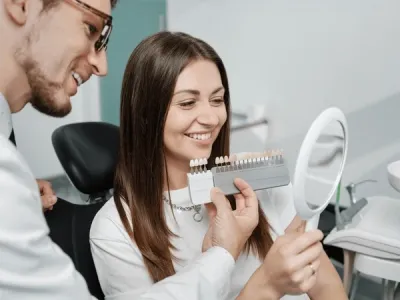
Shade Selection: Your dentist will use a shade guide to match the composite resin precisely to the color of your surrounding teeth.
Preparation: The tooth surface is lightly etched, and a conditioning liquid is applied. This helps the bonding material adhere to the tooth.
Application: The putty-like resin is applied, molded, and smoothed into the desired shape.
Curing: A "blue light" or laser is used to harden the material instantly.
Finishing Touches: Once hardened, your dentist will further trim and shape the resin, followed by a final polish to match the sheen of your natural enamel.
Comparing Bonding vs. Veneers
While bonding is an excellent tool, it is essential to understand how it compares to other options to ensure it's the right fit for your goals.
For many Shallotte residents, the ability to get high-quality results without a long-term prosthetic commitment makes bonding the winner for minor to moderate corrections.
Maintaining Your New Smile
While the composite resin used in cosmetic bonding in Shallotte is incredibly durable, it is not as hard as natural enamel. To ensure your investment lasts as long as possible:
Practice Good Hygiene: Brush twice daily and floss once. Even though the resin can't decay, the tooth underneath it can.
Watch Your Diet: Composite resin can stain over time. Limiting coffee, tea, and red wine will keep your smile bright.
Wear a Mouthguard: If you grind your teeth at night (bruxism) or play contact sports, a mouthguard is essential to prevent the resin from chipping.
The Psychological Impact of a Better Smile
Beyond the numbers and the clinical steps, there is the emotional component. Studies show that one in three adults are dissatisfied with their smile, and nearly 45% of people believe a smile is a person’s most attractive feature as they age. A quick correction doesn't just fix a tooth; it often restores the willingness to laugh, speak up in meetings, and pose for family photos.
Conclusion
If you’ve been hiding your smile because of a small chip or an annoying gap, you don't have to wait for a "someday" transformation. Cosmetic bonding in Shallotte offers a sophisticated, fast, and affordable way to reclaim your confidence. By choosing a skilled shallotte dentist, you can achieve a natural-looking smile correction that stands the test of time and enhances your overall quality of life.