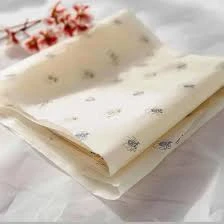
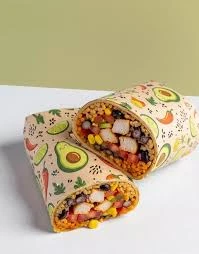
Custom Kraft Paper has become a common choice for wrapping, packing, and presenting many everyday products. It has a simple look that works well in shops, bakeries, gift stores, and small businesses. The paper also comes in different sizes and thicknesses. That makes it useful for many packing jobs. Some people use it to wrap gifts. Others use it around food boxes or small products. The right paper can also carry a brand name or a short message. That gives plain wrapping a more personal feel. Paper choice matters too. A thin sheet works well for light items while thicker paper suits heavier products. Good packaging does not need to look complicated.
Paper Basics
Kraft paper starts with a simple idea. It gives people a useful sheet for wrapping and packing things without making the process hard. Many shops keep it close because workers can cut it quickly and fold it around different items. When buying custom kraft paper sheets, the UK market offers many choices for shops and small companies. Sheet size matters when you wrap products because a sheet that feels too small creates extra folds. A very large sheet can also waste paper. Thickness matters as well. Thin paper works for light products. Thicker sheets suit boxes and heavier goods. The brown color gives the paper a plain and familiar look. White options also work when a cleaner surface fits the product better.
Roll Uses
A paper roll can make daily packing jobs easier when you need different lengths during the day. You can cut a small piece for a mug or pull out a longer piece for a larger box. A kraft paper roll also takes less shelf space than stacks of loose sheets in some work areas. Bakers often use rolls around boxes and trays. Gift shops may cut paper based on each item. The roll can sit near the packing table so staff can grab it when needed. Width matters here. A narrow roll works for small items. A wider roll gives more room for large boxes. A cutting tool can also help workers make cleaner edges and reduce wasted paper.
Printed Ideas
Plain paper works well for many jobs, but printing gives it a different purpose. A shop can add its name, website, phone number, or a small message near the center of the sheet. Custom printed kraft paper can also carry a simple pattern that matches the look of a store. The design does not need to cover every part of the paper. A small logo repeated across the sheet can look neat without making the package feel too busy. Black ink often works well on brown paper because the text stays easy to read. Some businesses choose one simple color for their print. Others use two colors for a stronger look. The final choice depends on the product and the type of packing.
Buying Bulk
Small businesses often need paper every week. Buying a few packs at a time can become tiring when stock runs out during a busy period. Kraft paper wholesale orders can help shops buy larger amounts in one purchase. Before ordering, check the sheet or roll size and the paper weight. These details affect how the paper works during packing. Storage also matters. Keep paper in a dry room and away from water or damp walls. A bakery may need more paper than a small gift shop because food orders can move quickly on busy days. It helps to estimate weekly use before placing a large order. That simple check can stop a business from buying far more paper than it can use.
Personal Touch
Packaging can feel more personal when the paper carries something that connects with the customer. Personalized kraft paper gives a shop room to add names, short notes, simple drawings, or a brand mark. A small bakery might print “Thank you” across its wrapping. A gift shop could use a short seasonal message. A clothing seller might add its store name with a small pattern. The idea does not need to feel fancy. In many cases, a simple message works better. Think about where the print will appear after the paper wraps the product. A logo hidden under a fold will not help much. Place important details where people can see them when they open or carry the package.
Food Packing
Kraft paper also works in food packing when the paper suits the food and the intended use. Cafes may use sheets to wrap sandwiches or line boxes. Bakeries can use paper around cookies, bread, and other dry items. The paper type matters because not every kraft paper product works for every food. Oil and moisture can also change how paper performs. A greasy item may need a suitable food-grade liner or barrier paper. The size should match the food too. A small sandwich needs much less paper than a full bakery box. Workers also need enough space to fold the sheet without tearing it. Simple packing methods save time during busy morning and lunch hours.
Storage Tips
Paper needs a dry place. That sounds obvious, but storage problems can cause trouble when packs sit near a sink, open window, or damp wall. Keep the paper flat when you use sheets. Store rolls upright or in the position recommended by the supplier. A kraft paper roll can develop dents when people place heavy boxes on top of it. Those dents may make cutting and wrapping harder later. Dust can also collect on open paper. Keep unused packs covered when possible. Check your stock before ordering more. Count the packs you have and think about your normal weekly use. A simple record can help you avoid running out during a busy week. It can also stop old paper from sitting unused for months.
Choosing Well
The right paper depends on what you pack and how you pack it. Start with the product size. Then check the paper weight, sheet size, roll width, and print needs. A small gift shop may need sheets in several sizes. A bakery may prefer rolls because staff can cut each piece as needed. A store that ships orders may want stronger paper for wrapping boxes. Ask for samples when you are unsure about the paper. Fold them. Tear them. Wrap an actual product with them. This quick test can tell you more than a product description. Also check how the print looks after folding. A design that looks good when flat may lose part of its message once the paper wraps around a box.
Conclusion
Custom Kraft Paper offers a simple option for many packing and wrapping jobs. It can work for shops, bakeries, gift sellers, and other small businesses. The paper comes in sheets and rolls. You can also choose printed designs when plain paper does not fit your needs. Size and thickness should match the product you pack. Storage matters too because damp paper can cause problems. A small test can help you choose the right type before buying a large amount. Keep the design simple when printing. Think about how the paper will look after folding and wrapping. With the right size and paper type, everyday packing can stay simple and practical.