Introduction
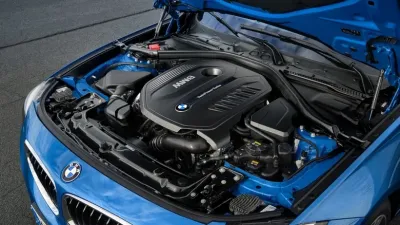
When it comes to automotive engineering, BMW stands as a global symbol of precision, performance, and innovation. Known for its slogan “The Ultimate Driving Machine,” BMW has built its reputation on crafting engines that deliver both power and efficiency. Over the decades, BMW engines have evolved from simple mechanical systems to highly advanced units featuring cutting-edge technologies. This article explores the design, types, technologies, and future of BMW engines in detail.
The Legacy of BMW Engine Development
BMW’s journey in engine manufacturing dates back to the early 20th century when the company initially produced aircraft engines. This aviation heritage heavily influenced BMW’s approach to precision engineering and performance. Over time, BMW transitioned into automobile manufacturing, carrying forward its commitment to high-performance engines.
From naturally aspirated inline engines to modern turbocharged powertrains, BMW has consistently focused on delivering smooth performance, reliability, and driving pleasure. The brand’s iconic inline-six engine configuration remains one of the most respected in the automotive world.
Types of BMW Engines
Inline Engines
BMW is widely known for its inline engines, particularly the inline-four and inline-six configurations. These engines are designed to provide smooth power delivery and balanced performance. The inline-six engine, in particular, is celebrated for its natural balance and minimal vibration.
V-Type Engines
BMW also produces V6 and V8 engines for higher-performance models. These engines are more compact and deliver greater power output, making them suitable for luxury sedans and performance vehicles.
Diesel Engines
BMW’s diesel engines are engineered for efficiency and torque. They are especially popular in European markets due to their fuel economy and durability. These engines offer strong low-end performance, making them ideal for long-distance driving.
Hybrid and Electric Powertrains
In recent years, BMW has expanded into hybrid and fully electric powertrains. These systems combine traditional engines with electric motors to improve fuel efficiency and reduce emissions while maintaining performance.
Key Technologies in BMW Engines
TwinPower Turbo Technology
One of the most significant innovations in BMW engines is TwinPower Turbo technology. This system enhances engine efficiency by using turbochargers to increase power output without significantly increasing fuel consumption. It ensures faster acceleration and improved performance.
Valvetronic System
BMW’s Valvetronic technology optimizes engine performance by controlling valve lift instead of using a traditional throttle. This results in better fuel efficiency and smoother power delivery.
Double-VANOS
Double-VANOS is BMW’s variable valve timing system. It adjusts the timing of the intake and exhaust valves, improving engine efficiency, reducing emissions, and enhancing overall performance.
EfficientDynamics
EfficientDynamics is a suite of technologies designed to improve fuel economy and reduce emissions. It includes features like automatic start-stop, brake energy regeneration, and lightweight construction.
Performance and Driving Experience
BMW engines are designed to provide an engaging driving experience. Whether it’s a compact sedan or a high-performance sports car, the engine plays a central role in delivering responsive acceleration and precise handling.
The brand’s engines are known for their linear power delivery, meaning the acceleration feels smooth and predictable. This characteristic is particularly noticeable in BMW’s inline-six engines, which offer a refined and powerful driving experience.
Fuel Efficiency and Environmental Responsibility
Modern BMW engines are engineered with a strong focus on sustainability. The company has made significant efforts to reduce emissions and improve fuel efficiency without compromising performance.
Technologies like turbocharging, direct fuel injection, and hybrid systems allow BMW engines to achieve better mileage while producing fewer emissions. Additionally, BMW’s electric vehicles represent a major step toward a greener future.
Reliability and Maintenance
BMW engines are built with high-quality materials and advanced engineering techniques, making them durable and reliable. However, like all high-performance engines, they require regular maintenance to function optimally.
Proper servicing, including oil changes, filter replacements, and timely inspections, is essential to ensure the longevity of a BMW engine. When maintained correctly, these engines can deliver consistent performance for many years.
BMW M Engines: The Performance Benchmark
BMW’s M division takes engine performance to the next level. M engines are specifically designed for high-performance vehicles and motorsports applications. These engines are tuned to deliver maximum power, faster acceleration, and superior handling.
Features such as high-revving capabilities, enhanced cooling systems, and lightweight components make BMW M engines a benchmark in the performance segment.
The Future of BMW Engines
The future of BMW engines lies in electrification and sustainability. The company is investing heavily in electric vehicles and hybrid technologies to meet global environmental standards.
While traditional internal combustion engines will continue to play a role, BMW is gradually shifting toward cleaner energy solutions. The integration of advanced battery technology and electric motors is expected to redefine the driving experience in the coming years.
Conclusion
BMW engines represent a perfect blend of performance, innovation, and engineering excellence. From their aviation-inspired origins to modern hybrid systems, BMW has consistently pushed the boundaries of automotive technology. Whether it’s the smooth inline-six engine or the powerful M performance units, BMW continues to set high standards in the industry.
As the automotive world moves toward a more sustainable future, BMW remains committed to delivering engines that not only perform exceptionally but also contribute to environmental responsibility. This balance between power and efficiency ensures that BMW engines will continue to be admired by drivers around the world for generations to come.
For more information.