
Introduction
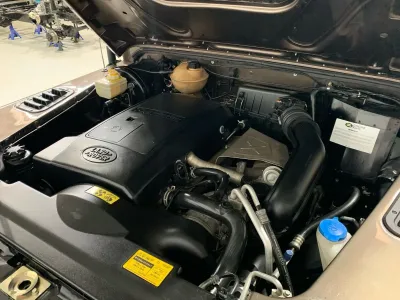
The engines developed by Land Rover have long been associated with strength, durability, and superior off-road capability. Known for powering some of the most capable luxury SUVs in the world, Land Rover engines are designed to deliver a perfect balance of performance, efficiency, and reliability. Whether navigating rough terrains or cruising on highways, these engines are built to meet diverse driving demands while maintaining a premium driving experience.
Evolution of Land Rover Engines
Land Rover’s journey in engine development began with simple yet robust powertrains designed primarily for utility and off-road performance. Early models were equipped with basic petrol and diesel engines that focused more on reliability than speed or refinement. Over time, technological advancements enabled the company to introduce more sophisticated engines with improved fuel efficiency, reduced emissions, and enhanced power output.
In recent years, Land Rover has embraced innovation by integrating hybrid and electric technologies into its engine lineup. This shift reflects the brand’s commitment to sustainability while maintaining its signature performance standards.
Types of Land Rover Engines
Petrol Engines
Land Rover petrol engines are known for their smooth performance and powerful acceleration. These engines often feature turbocharging and supercharging technologies to enhance power delivery. Modern petrol engines are engineered to provide a quieter and more refined driving experience, making them ideal for urban driving and long-distance travel.
Diesel Engines
Diesel engines have traditionally been a strong point for Land Rover vehicles. They are designed to deliver high torque, which is essential for off-road driving and towing heavy loads. Diesel engines are also more fuel-efficient compared to petrol engines, making them suitable for long journeys and rugged conditions.
Hybrid and Electric Powertrains
In response to global environmental concerns, Land Rover has introduced hybrid and plug-in hybrid engines. These systems combine traditional internal combustion engines with electric motors to improve fuel efficiency and reduce emissions. Fully electric models are also being developed, marking a new era in Land Rover’s engineering evolution.
Key Features of Land Rover Engines
Advanced Turbocharging
Many Land Rover engines utilize turbocharging technology to increase power output without significantly increasing engine size. This allows for better fuel efficiency while maintaining strong performance.
Lightweight Construction
Modern engines are built using lightweight materials such as aluminum. This reduces overall vehicle weight, leading to improved fuel efficiency and better handling.
Intelligent Engine Management Systems
Land Rover engines are equipped with advanced electronic systems that monitor and optimize engine performance in real time. These systems adjust fuel injection, air intake, and ignition timing to ensure maximum efficiency and power.
Terrain Response Integration
One of the unique aspects of Land Rover engines is their integration with the Terrain Response system. This technology automatically adjusts engine performance based on the type of terrain, whether it is mud, sand, snow, or rocks. This ensures optimal traction and control in all conditions.
Performance and Capability
Land Rover engines are specifically designed to deliver exceptional performance both on and off the road. High torque output allows vehicles to climb steep inclines, navigate uneven surfaces, and tow heavy loads with ease. The engines provide consistent power delivery, ensuring smooth driving even in challenging environments.
Acceleration in modern Land Rover vehicles is also impressive, especially in models equipped with high-performance petrol engines. These engines can deliver rapid acceleration while maintaining stability and control.
Fuel Efficiency and Environmental Considerations
Fuel efficiency has become a key focus in modern engine design. Land Rover has implemented various technologies to improve efficiency, including start-stop systems, regenerative braking, and advanced fuel injection systems. Hybrid engines further enhance fuel economy by utilizing electric power during low-speed driving.
In addition to improving fuel efficiency, Land Rover engines are designed to meet strict emission standards. This is achieved through the use of advanced exhaust treatment systems and cleaner combustion processes.
Maintenance and Reliability
Land Rover engines are built to withstand demanding conditions, but regular maintenance is essential to ensure long-term reliability. Routine servicing, including oil changes, filter replacements, and system diagnostics, helps keep the engine running smoothly.
Modern engines are also equipped with diagnostic systems that alert drivers to potential issues before they become serious problems. This proactive approach to maintenance reduces the risk of breakdowns and extends the lifespan of the engine.
Challenges and Improvements
Despite their strengths, Land Rover engines have faced some challenges over the years, particularly related to maintenance costs and complexity. However, continuous improvements in engineering and technology have addressed many of these concerns.
The introduction of more reliable components, improved cooling systems, and better manufacturing processes has significantly enhanced engine durability. Additionally, advancements in software have made engine management more efficient and user-friendly.
Future of Land Rover Engines
The future of Land Rover engines is centered around sustainability and innovation. The company is investing heavily in electric vehicle technology, aiming to reduce its carbon footprint while maintaining performance standards.
Hybrid systems will continue to play a crucial role in the transition toward fully electric vehicles. As battery technology improves, Land Rover is expected to introduce more electric models with longer ranges and faster charging capabilities.
Artificial intelligence and smart connectivity are also likely to become integral parts of engine systems, allowing for more precise control and improved efficiency.
Conclusion
Land Rover engines represent a perfect blend of power, innovation, and reliability. From their early utilitarian designs to modern hybrid and electric powertrains, these engines have evolved significantly to meet the demands of today’s drivers. With a strong focus on performance, efficiency, and sustainability, Land Rover continues to set high standards in automotive engineering.
Whether used for off-road adventures or everyday driving, Land Rover engines deliver a dependable and refined experience. As technology continues to advance, the future of these engines looks promising, ensuring that Land Rover remains a leader in the world of luxury and performance vehicles.
For more information.