
Technology plays an essential role in how modern businesses operate, communicate, store information, and serve customers. As organizations become increasingly dependent on digital systems, having reliable and up-to-date technology is more important than ever. New IT equipment can help businesses improve productivity, strengthen infrastructure, support employees, and keep up with changing technological demands.
From computers and servers to networking devices and storage solutions, businesses have access to a wide variety of technology designed to meet different operational requirements. Choosing the right equipment can help organizations build a dependable IT environment that supports both current activities and future growth.
What Is New IT Equipment?
The new it equipment refers to recently manufactured technology hardware designed for business, professional, enterprise, and personal computing environments. This equipment can include desktops, workstations, laptops, servers, storage systems, networking hardware, processors, memory, motherboards, and other essential components.
Unlike older or outdated systems, modern equipment is designed to support current software, applications, security requirements, and performance expectations. Businesses can select equipment based on factors such as processing power, storage capacity, connectivity, compatibility, scalability, and budget.
Benefits of New IT Hardware
Investing in new IT hardware can provide several advantages for organizations. Modern hardware is generally designed to deliver improved performance, efficiency, and compatibility with current technologies. Employees can work with systems that are better suited to demanding applications, multitasking, data processing, and communication tools.
New hardware can also make it easier for businesses to standardize their technology environment. A consistent hardware setup can simplify maintenance, upgrades, troubleshooting, and IT management. For growing organizations, selecting scalable equipment can also make it easier to expand infrastructure as requirements increase.
New Computer Equipment for Productive Workplaces
Computers remain an essential part of almost every business. New computer equipment can include desktops, workstations, laptops, monitors, and internal components designed for different professional applications.
Office employees may require dependable computers for everyday productivity, while designers, engineers, developers, analysts, and other professionals may need systems with greater processing power and memory. Businesses can choose configurations according to their employees' specific workloads.
When selecting computer equipment, organizations should consider processor performance, memory, storage, graphics capabilities, connectivity, operating system compatibility, and upgrade options. Matching equipment to actual workloads helps businesses avoid unnecessary spending while ensuring employees have the resources they need.
New Server Equipment for Business Infrastructure
Servers provide the foundation for many business IT environments. New server equipment can support applications, databases, file storage, virtualization, websites, and other important workloads.
Modern servers are available in different configurations to accommodate organizations of various sizes. Businesses can select rack servers, tower servers, storage servers, and specialized systems depending on their infrastructure requirements.
When purchasing server equipment, businesses should consider processor capacity, RAM, storage technology, networking capabilities, expansion options, and compatibility with existing infrastructure. Planning for future workloads is also important because server requirements can increase as a company grows.
New Networking Equipment
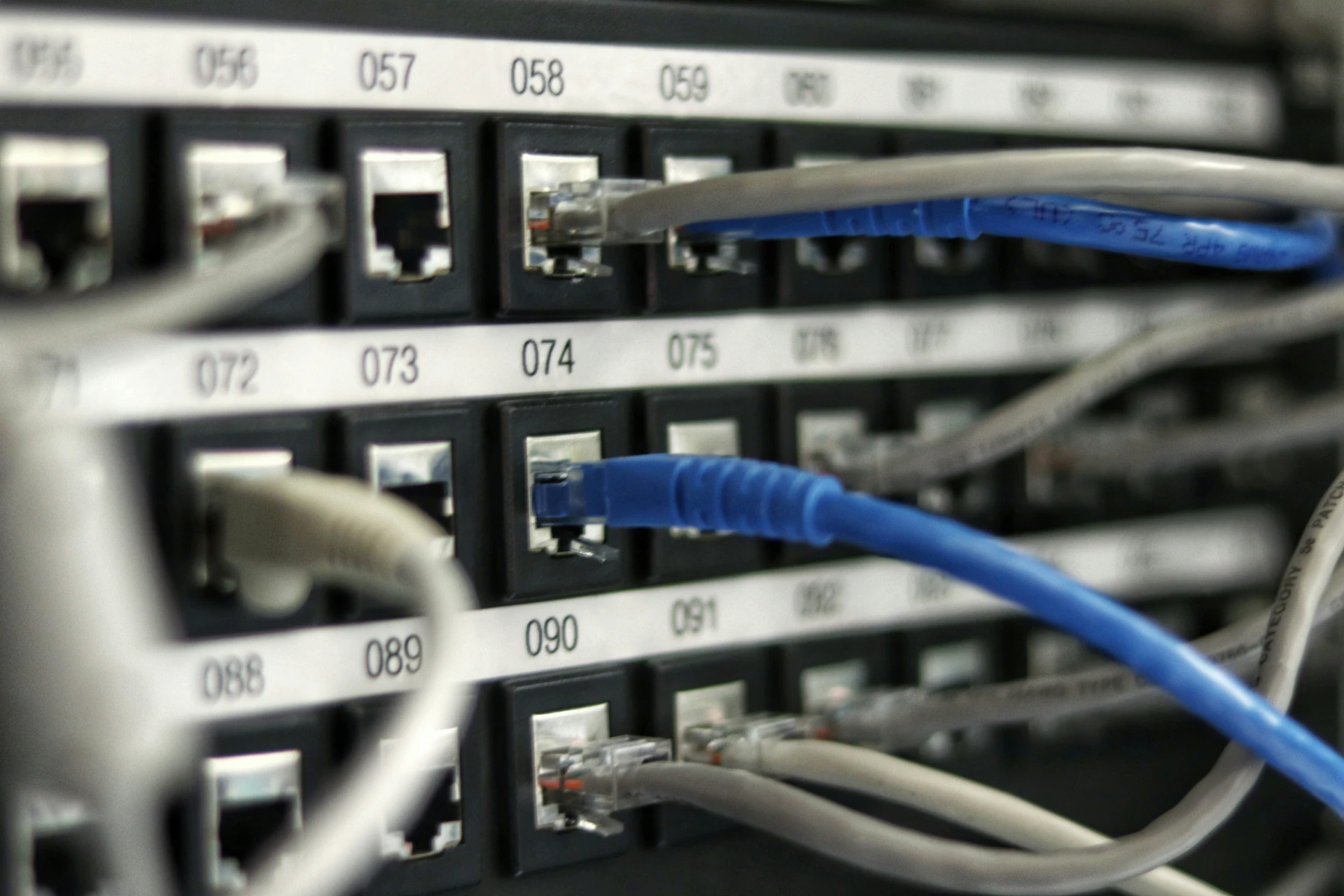
Reliable connectivity is essential for modern organizations. New networking equipment can include switches, routers, network adapters, wireless devices, and other components that help connect computers, servers, and other devices.
A well-designed network allows employees to communicate efficiently and access applications, files, cloud services, and other resources. Businesses should evaluate factors such as network speed, port capacity, connectivity standards, scalability, and compatibility when selecting networking hardware.
Up-to-date networking equipment can also help organizations accommodate increasing numbers of connected devices and growing data requirements.
New Computer Hardware and Components
Businesses do not always need to replace complete computer systems. In some cases, upgrading individual components can provide the performance improvements required for specific workloads. New computer hardware can include processors, memory modules, graphics cards, motherboards, storage drives, power supplies, and other components.
Selecting compatible components is essential when upgrading or building systems. Businesses should verify specifications such as socket types, memory standards, interfaces, power requirements, and motherboard compatibility before purchasing individual parts.
Quality components can help organizations create customized systems that meet specific performance and budget requirements.
Exploring New IT Products
The technology market continues to evolve, with manufacturers introducing new IT products to address changing business requirements. New products can provide improvements in processing performance, storage capacity, connectivity, energy efficiency, and functionality.
Organizations should evaluate new products based on their actual business needs rather than simply choosing the newest technology available. Factors such as compatibility, warranty coverage, specifications, expected lifespan, and total cost should be considered before making a purchasing decision.
New Technology Equipment for Growing Businesses
As businesses expand, their technology infrastructure often needs to grow with them. New technology equipment can help organizations support additional employees, applications, devices, and workloads.
For example, a growing company may need additional computers, storage systems, networking devices, or servers. Selecting scalable equipment from the beginning can reduce the need for frequent infrastructure replacements and make future expansion easier.
Businesses should also consider how new equipment will integrate with their existing technology environment. Compatibility can reduce implementation challenges and help maintain operational continuity.
New Enterprise IT Equipment
Large organizations often have complex infrastructure requirements. New enterprise IT equipment can support high-performance computing, virtualization, data management, networking, storage, and other demanding workloads.
Enterprise environments typically require equipment that can operate reliably under continuous workloads while offering expansion and management capabilities. Organizations may evaluate processor performance, memory capacity, redundant components, storage options, networking capabilities, and remote management features when selecting enterprise hardware.
Careful planning allows companies to build infrastructure that can support demanding applications while accommodating future growth.
New Data Center Equipment
Data centers require specialized infrastructure to manage large volumes of computing, storage, and networking workloads. New data center equipment can include servers, storage systems, switches, network components, power-related hardware, and other infrastructure technologies.
Organizations managing data centers should consider performance, scalability, compatibility, physical space, energy requirements, and management capabilities. A well-planned data center environment can provide the foundation required for applications, databases, cloud services, and business-critical workloads.
Choosing New Business IT Hardware
Selecting new business IT hardware requires more than simply comparing specifications and prices. Businesses should first identify their workloads, performance requirements, compatibility needs, and expected growth.
A practical purchasing process can include evaluating:
- Current and future performance requirements
- Compatibility with existing systems
- Storage and memory requirements
- Networking and connectivity needs
- Scalability and upgrade options
- Warranty and support availability
- Budget and total ownership costs
Working with an experienced IT hardware supplier can also make the sourcing process easier by providing access to a broad selection of components and systems.
Conclusion
Investing in new IT equipment can help businesses maintain reliable technology infrastructure and support evolving operational needs. From new computer equipment and server systems to networking hardware, storage solutions, and enterprise infrastructure, organizations can select technology based on their specific requirements.